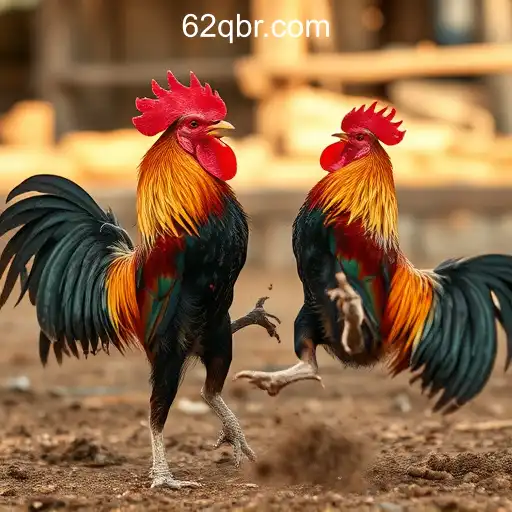
The Tradition of Cockfighting: A Cultural Perspective
Cockfighting, a practice dating back thousands of years, holds a unique place in various cultures around the world. Known for its blend of tradition and controversy, the sport involves pitting two specially bred roosters against each other in a fight to the finish. While its roots can be traced across the globe, from ancient Greece to current practices in Southeast Asia and Latin America, the activity's cultural significance, potential ethical implications, and legal status vary widely.
Historical Roots and Cultural Significance
The history of cockfighting is rich and diverse. Ancient civilizations such as the Indus Valley, Greece, and Rome have documented instances of cockfighting more than 6,000 years ago. These early contests weren't merely about entertainment; they often carried religious and spiritual symbolism. In many cultures, roosters were revered as symbols of bravery and competitiveness. Over centuries, cockfighting evolved into a pastime with significant cultural import, becoming a fixture in festivals and traditional celebrations in many regions.
Particularly in areas like Southeast Asia, the Philippines, and parts of South America, cockfighting is more than just a sport. It is deeply embedded in cultural rituals and social structures. For instance, in the Philippines, Andalusian trainers have been honing the art of cockfighting for generations, honing birds specifically for their strength, agility, and ferocity. Similarly, in rural communities where economic opportunities may be limited, cockfighting often serves as an accessible and potentially lucrative form of entertainment.
Legal Status and Regulations
The legal status of cockfighting varies dramatically across the world. In some countries, such as Indonesia and the Philippines, cockfighting remains legal and heavily regulated. Government oversight helps in maintaining organization in terms of animal welfare standards, betting practices, and the sporting events themselves. However, in places like the United States and much of Europe, cockfighting is illegal under animal cruelty laws, with authorities enforcing strict penalties for participation in, or attendance at, these events.
While it remains legal in some jurisdictions, the international stance against cockfighting has grown stronger due to mounting animal rights activism. Organizations like PETA and the Humane Society have long campaigned against cockfighting, citing inherent cruelty towards animals forced into violent deathmatches, often fitted with sharp gaffs or metal spurs that can cause grievous injuries.
Ethical Debates and Animal Welfare
The ethics of cockfighting present a complex challenge due to the nuanced cultural contexts and economic dependencies tied to the practice. Advocates often argue for preserving cockfighting as part of cultural heritage, emphasizing the traditional ties to identity and history. Many also point out the significant economic benefits for communities reliant on cockfighting, from breeders and trainers to event organizers and local markets.
Conversely, ethical critics argue that cockfighting is inherently cruel, subjecting animals to unnecessary violence and suffering. These concerns extend to issues of animal welfare, with domesticated roosters often kept in poor conditions, subjected to steroid enhancement, and deprived of normal socialization. Animal rights groups highlight these factors as justification for prohibitive legislation and comprehensive bans.
Related Online Streaming and Gambling Platforms
In recent years, the advent of digital platforms has provided new venues for cockfighting enthusiasts and gamblers alike. Websites such as "62Q.com online cassino Brasil #1" have stepped into the void left by in-person events, offering live-streamed games and opportunities for betting in jurisdictions where legal limitations allow it. This shift towards online platforms is part of a broader trend in the gambling industry, mirroring transitions seen in others sports and casino games now widely available through digital casinos worldwide.
While these platforms provide entertainment for some, they continue to face criticism for indirectly supporting an industry many view as unethical. As online betting on cockfights grows, the responsibility for ensuring fair play, regulatory compliance, and ethical treatment of animals becomes even more pressing.
The Future of Cockfighting
The intersection of tradition, legality, and ethics remains complex for cockfighting, prompting ongoing debates about its future. As global attitudes shift towards greater animal protection, the practice faces increasing scrutiny and potential bans, prompting cultural ambassadors and communities to adapt. Whether this adaptation will nurture the continuation of cockfighting as a regulated and cultural observance, or see its decline in the face of changing norms, remains to be seen.
Engaging in dialogues around cockfighting is crucial for understanding its place in contemporary society. While new platforms may offer alternate ways to enjoy the sport, balancing cultural respect with the ethical demands of the modern era will define its evolution.